Common Online Scam Tactics: 12 Tricks
The Psychology Behind Why Scams Work
12 Common Online Scam Tactics
How Scammers Create Urgency and Fear
How Scammers Build Trust Before Stealing
How Scammers Use Authority and Impersonation
How Scammers Isolate Their Victims
How to Recognize Scam Tactics Early
How AuthentiLens Helps You Spot These Tactics in Action
What to Do If You Notice Scam Tactics
How to Avoid Online Scams Going Forward
FAQ
Final Word
You have heard about phishing emails. You know about romance scams. You have seen warnings about fake texts.
But every week, there seems to be a new scam. Fake delivery notices. AI voice clones. Job offer scams. Marketplace fraud. It is exhausting to keep up.
Here is the good news. You do not need to memorize every scam. Scammers use the same psychological tactics again and again. Once you understand these common online scam tactics, you can spot any scam, even one you have never seen before.
This guide walks you through the most common scammer tactics online. It explains why these tricks work. And it shows you how to recognize the red flags before you lose money or personal information, with help from AuthentiLens .
The Psychology Behind Why Scams Work
Scams work because they target how the human brain makes decisions.
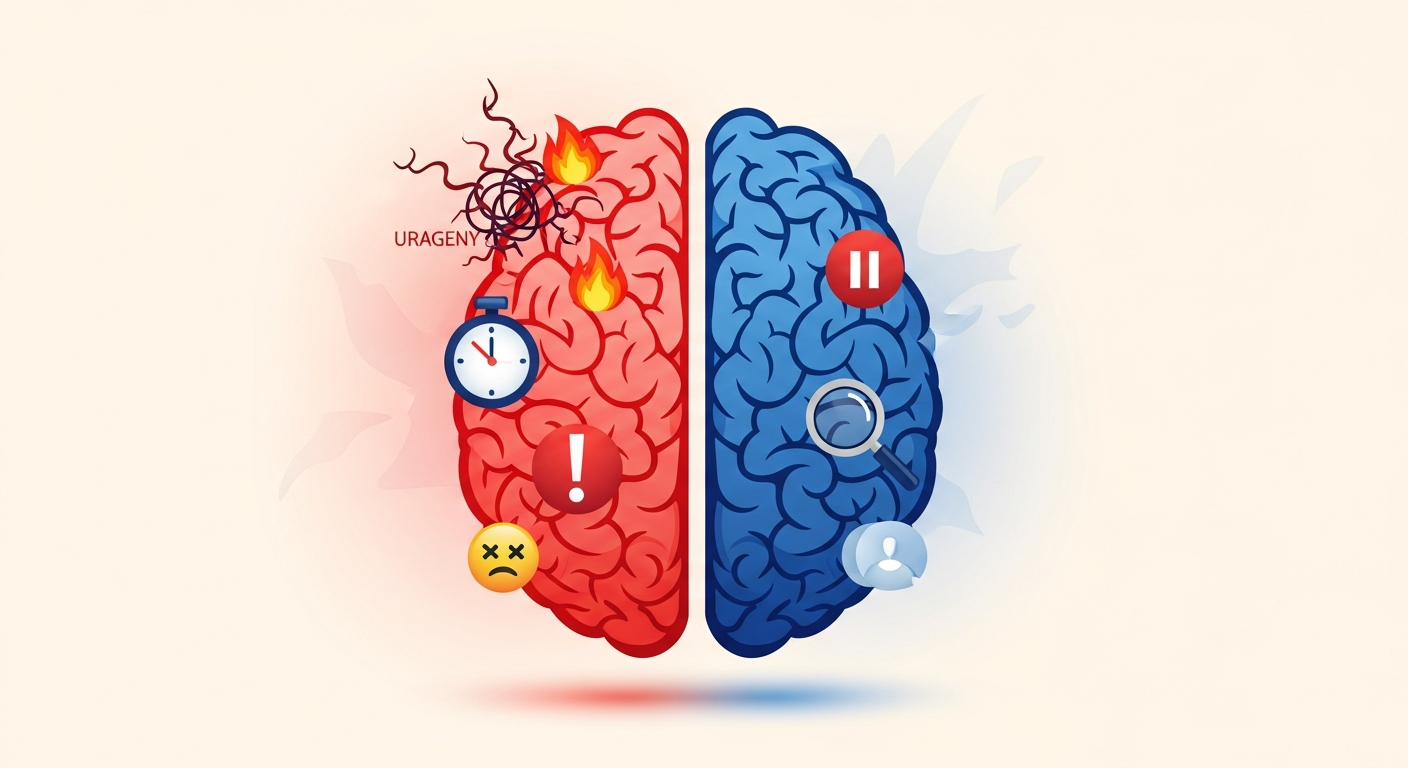
Your brain has two systems. System one is fast and emotional. It makes quick decisions based on fear, excitement, or urgency. System two is slow and logical. It analyzes information carefully.
Scammers want system one. They want you to act before system two kicks in.
They create urgency so you feel you have no time to think. They create fear so you focus on the threat, not the logic. They create excitement so you chase a reward. They create trust so you lower your guard.
Once you understand these psychological tactics, you can pause. You can force system two to engage. You can ask yourself one simple question. Is someone trying to manipulate me?
That pause is the difference between falling for a scam and staying safe.
12 Common Online Scam Tactics
Here are the most common digital scam tactics scammers use. Learn to recognize them.
1. Creating urgency
Your account will be closed in 24 hours. Pay now or face legal action. This offer expires in one hour.
Urgency stops you from thinking. It makes you act before you verify. Any message that demands immediate action is almost certainly a scam. This is one of the most common signs in our guide to spotting a scam text message .
2. Creating fear
Your bank account has been compromised. You owe back taxes. A warrant has been issued for your arrest.
Fear narrows your focus. You stop thinking about verification. You just want the fear to go away. Scammers use fear to make you comply.
3. Creating excitement
You have won a prize. You have been selected for a special offer. This investment will make you rich.
Excitement lowers your guard. You want the reward to be real. Scammers know you will ignore red flags when you are excited.
4. Building false trust
Scammers do not rush straight to the ask. They build trust first. They message you for weeks. They share personal stories. They seem caring and interested.
This is exactly how romance scams work. Read our full guide to signs of a romance scam to see the pattern up close. The trust was fake the whole time.
5. Using authority
The caller claims to be from the IRS, your bank, or a government agency. The email looks like it is from your boss or CEO. The text claims to be from a well known company.
People are trained to obey authority. Scammers impersonate authority figures to exploit this training. Our guide to the signs of an impersonation scam shows you exactly how to catch this trick.
6. Creating secrecy
Do not tell anyone. This is confidential. Do not hang up and call your family.
Scammers know that a second opinion can break the spell. They isolate you so you cannot verify. Any request for secrecy is a major online fraud warning sign.
7. Using social proof
Many people have already signed up. Your neighbor already claimed their prize. Hundreds of people have invested.
Social proof is the idea that if other people are doing something, it must be safe. Scammers fake social proof with fake testimonials, fake reviews, and fake urgency about limited spots.
8. Creating scarcity
Only three spots left. This deal is available to the first fifty people. Limited time offer.
Scarcity makes you feel you might miss out. You act quickly to secure the opportunity. The scarcity is almost always fake.
9. Requesting unusual payment methods
Pay by gift card. Send cryptocurrency. Use wire transfer.
These payment methods are untraceable. No legitimate company asks for gift cards or cryptocurrency. This is a clear online scam method.
10. Using vague or generic language
Dear customer. Your account has an issue. We need to verify your information.
Scammers often do not know your name or specific details. Generic language hides that fact. The same trick shows up in fake corporate emails, which we break down in our guide to the signs of a phishing email .
11. Creating a dramatic story
I am a widow with a sick child. I am a soldier deployed overseas. I am a doctor working in a war zone.
Scammers create emotional stories to make you care. Once you care, you are more likely to help. The stories are almost always fake.
12. Testing with small requests
Can you send me $50 for a phone bill? Can you buy me a $20 gift card?
Scammers start small. If you send the small amount, they know you are vulnerable. Then the requests get larger. Do not send any money to someone you have not met in person.
Notice any of these tactics in a message right now?
Do not trust. Scan the message, link, profile, or audio with AuthentiLens. You get 5 free scans. Verify before you act.
Scan it with AuthentiLens →How Scammers Create Urgency and Fear
Urgency and fear are the two most powerful scammer tactics online.
Think about the last scam message you received. It probably said something urgent. Your account will be locked. Your package cannot be delivered. You will be arrested.
These messages create a spike of anxiety. Your brain wants to resolve that anxiety quickly. The scammer offers a solution. Click this link. Send this money. Verify your information. You act before you think.
The solution is simple. Pause. Take three deep breaths. Then ask yourself. Would a real company create this kind of panic? The answer is almost always no.
How Scammers Build Trust Before Stealing
Not all scams create fear. Some create a loving relationship first.
The romance scammer messages you for weeks. They ask about your day. They share their hopes and dreams. They seem like the perfect partner.
The fake check scammer hires you for a job. They send you onboarding materials. They seem like a real employer.
The tech support scammer pretends to help you fix a problem. They seem patient and knowledgeable.
In each case, the scammer builds trust. Then they strike. The ask comes after you trust them.
The solution is to verify before you trust. Do not trust someone just because they have been nice to you for a few weeks. Verify their identity through independent channels.
How Scammers Use Authority and Impersonation
People are trained to respect authority. Scammers exploit this.
The caller says they are from the IRS. You feel a chill. You want to comply. The email says it is from your CEO. You do not want to disobey your boss. The text says it is from your bank. You trust your bank to protect your money.
Scammers impersonate authority figures because it works. The solution is to verify through independent channels. Hang up and call your bank using the number on your card. Do not call a number the scammer gives you.
How Scammers Isolate Their Victims
Isolation is a powerful social engineering tactic.
Do not tell anyone about this call. Your family will worry. Your bank will not understand.
Scammers want you alone. They know a second opinion could expose the scam. If anyone ever asks you to keep a secret, treat it as a scam. Real emergencies do not come with secrecy agreements.
How to Recognize Scam Tactics Early
The best way to recognize scam tactics is to look for the patterns, not the specific scam.
When you receive a message, ask yourself these questions. Does it create urgency or panic? Does it demand immediate action? Does it ask for personal information or money? Does it request payment by gift card or wire transfer? Does it ask you to keep it secret? Does the sender address look wrong?
If you answer yes to any of these questions, pause. Do not act. Verify through an independent channel.
How AuthentiLens Helps You Spot These Tactics in Action
AuthentiLens gives you a simple way to check suspicious content when you notice scam tactics.
You can scan a text message that creates urgency. The tool analyzes the language for scam patterns. You can scan an email that asks for personal information. AuthentiLens checks the sender, links, and content for phishing signs.
You can scan a profile from someone building trust too quickly. The tool checks photos for AI generation and messages for romance scam patterns. If a message includes a link, paste it in first. Our guide to checking if a link is suspicious walks through exactly what to look for.
You can scan audio or video that claims to be from a family member in trouble. AuthentiLens checks for deepfake and voice clone signs.
The tool does the analysis for you. You just need the habit. When you notice scam tactics, scan before you trust.
You get 5 free scans to start. AuthentiLens Pro costs $9.99 per month for unlimited scans.
What to Do If You Notice Scam Tactics
If you recognize scam tactics in a message, call, or profile, here is what to do.
- Do not engage. Do not reply. Do not click links. Do not send money.
- Report the message to the platform. Report the text as spam. Report the email as phishing. Report the profile as fake. Also file a report with the FTC at reportfraud.ftc.gov and the FBI's IC3. Log it at the BBB Scam Tracker.
- Contact the real company through official channels. If the message claimed to be from a company, let them know someone is impersonating them.
- Warn your family and friends. Share what you learned. Help them recognize the same tactics.
- Block the sender. Do not give them another chance to reach you.
How to Avoid Online Scams Going Forward
You do not need to memorize every scam. You just need to recognize the tactics.
When you receive an unexpected message, pause. Ask yourself if anyone is trying to manipulate you. Look for urgency, fear, excitement, authority, secrecy, or unusual payment requests.
If you see any of these common online scam tactics, do not trust. Verify through an independent channel.
And use AuthentiLens. Scan suspicious messages, links, profiles, and audio before you trust. A few seconds of verification can save you from a devastating scam.
FAQ
What are the most common online scam tactics?
Urgency, fear, excitement, building false trust, using authority, creating secrecy, social proof, scarcity, unusual payment requests, generic language, dramatic stories, and testing with small requests.
How do scammers trick people online?
They use psychological manipulation. They create panic so you act without thinking. They build trust so you lower your guard. They impersonate authority figures so you comply. They isolate you so you cannot verify.
Why do online scams work so well?
Scams target how the human brain makes decisions. They trigger fast, emotional thinking instead of slow, logical analysis. They create urgency and fear to bypass your natural caution.
How can I recognize scam tactics early?
Look for urgency, demands for immediate action, requests for personal information or money, unusual payment methods, secrecy, and sender addresses that look wrong. Pause and verify before acting.
What should I do if I notice scam tactics in a message?
Do not engage. Do not reply. Do not click links. Do not send money. Report the message as spam or phishing. Block the sender. Warn your family and friends.
How can AuthentiLens help with scam tactics?
AuthentiLens scans messages, links, emails, profiles, images, audio, and video. It analyzes the content for scam patterns and manipulation. It tells you if the content is dangerous, suspicious, or safe.
What is the single most important thing to remember about scams?
Pause before you act. Scammers want you to react quickly without thinking. Take three deep breaths. Verify through an independent channel. Do not let urgency or fear control your decisions.
How can I avoid online scams going forward?
Learn the common tactics. Pause when you notice them. Verify through independent channels. Use AuthentiLens to scan suspicious content. Trust your gut. When in doubt, do not trust.
Final Word
Scammers rely on one thing. They need you to act before you think.
Take that power away from them. Pause. Breathe. Look for the tactics. And when you see them, do not trust.
Verify first. Scan suspicious messages, links, profiles, and audio with AuthentiLens. You get 5 free scans to start. Use them. Learn the tactics. Protect yourself and the people you love.
Scan before you trust.
Try 5 free scans now →